


A Virtual Museum to Make Woodcarving Visible
Craft heritage often suffers from a practical problem: if people do not see it, they do not understand its value. Workshops are hidden, processes are unfamiliar, and local histories remain fragmented. In the CRAEFT project, CETEM responded to that challenge by developing a virtual museum designed to make Yecla’s furniture
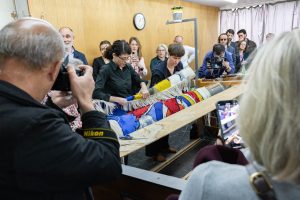
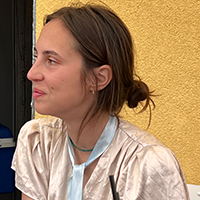
The dynamics of the Aubusson Tapestry Craft
The Aubusson textile industry, centred on the towns of Aubusson and Felletin in France’s Creuse region, owes its success and distinctiveness to a dense network of know-how concentrated in this small territory, where intricate crafts complement one another in the making and preservation of tapestries. This collaborative mindset fosters a
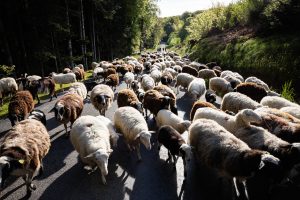
Woolmaking in South Creuse (France)
The wool industry in France’s Creuse region is vital to the Aubusson tapestry manufactories and workshops, supplying the raw material that weavers need to create their pieces. While farmers provide the raw wool fibres, a series of subsequent processes transforms them into yarns suitable for weaving, resulting in a complex
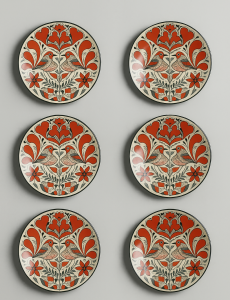

Seeing Through Glaze: how Craeft teaches light to behave like matter
Glaze, a thin, glassy film, acts as the skin of ceramics. It transforms fired clay, bringing it to life with a luminous quality. For a craftsperson, the glaze is a medium of intuition: it runs, pools, and melts in unpredictable ways. From a scientific perspective, it presents a physics challenge:
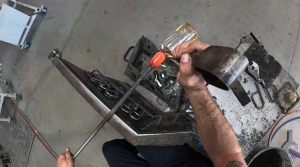

Analyzing Craft Movements – What For? How?
In every gesture of a skilled craftsperson lies a story—of adaptation, of purpose, of years of embodied knowledge. Whether shaping glass, carving wood, or embroidering textiles, these movements are not only technical actions; they are traces of heritage, memory, and function. But why should we analyze them? What for? Beyond
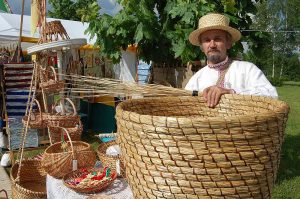
UNESCO Nomination Process for Straw Weaving in Belarus
Straw weaving is a traditional Belarusian craft that involves creating decorative and functional objects from natural straw, typically rye, wheat, or barley. Practiced especially in rural areas, the technique is passed down through generations and remains a vital part of Belarusian folk culture. In order to gain international recognition and
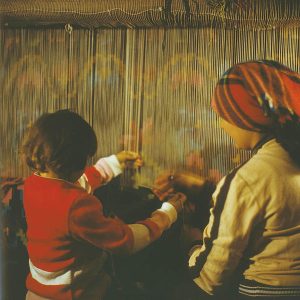
Traditional Wall-Carpet Craftsmanship in Romania and the Republic of Moldova
Traditional Wall-Carpet Weaving in Romania and the Republic of Moldova is an old craft practised mainly in rural areas. Using vertical or horizontal looms, artisans weave wool into richly patterned carpets called “scoarță.” The process involves preparing the warp and weft threads and using techniques like tight weaving, the karamani
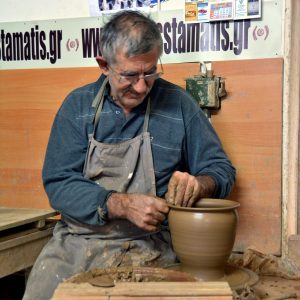

Lesvos’ identity in the hands of a potter
The ceramic tradition of Lesvos Island in Greece stretches back over 5,000 years, with early traces found in the prehistoric settlement of Loutropoli Thermi. That long history still lives on today in the village of Mantamados, where potter Stelios Stamatis continues his family’s craft in the “Workshop Pottery and Folk
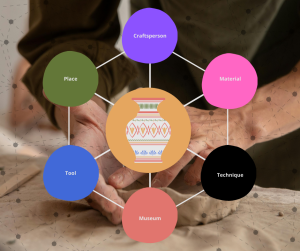

Harnessing Interoperability and Standardised Data in the Craft Domain: A Semantic Web Perspective
Topics for discussion: How can standardised semantic data frameworks enhance cross-cultural understanding and appreciation of diverse craft traditions? What specific strategies can be implemented by smaller craft institutions or individual practitioners to adopt Linked Open Data standards without extensive resources? How might ethical considerations and cultural sensitivities be effectively managed

“Les Eclaireurs”, a French Study that Measures the Economic Weight of Companies in the Arts and Crafts
Topics for discussion: How to produce the same study at a European level? What role should the government play in strengthening and supporting craft businesses? How can craft professions attract younger generations and improve recruitment? What are the main barriers to exporting craft products, and how can they be overcome?
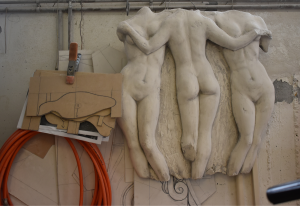

Marble Carving – Craft or/and Art?
Topics for discussion: Does your language distinguish between craft and art, or is there one term for both? Is it important to have one common European definition of crafts? Why? Could defining craft at the European level lead to the loss of unique local traditions? How can family transmission of
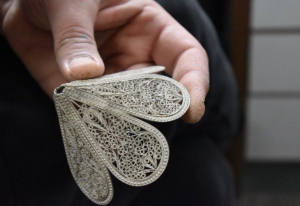
Expanding the Testing and Implementation of the Craeft Ethnographic Protocol: A Focus on Silversmithing
Topics for discussion: How can ego-centric recordings contribute to the preservation and transmission of craft knowledge? Do these perspectives help make complex gestures more understandable for apprentices or enthusiasts? What other craft skills or activities could benefit from such recordings? Silversmithing is the art of shaping silver into objects through
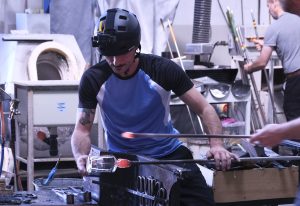
Launching the Protocol: Digitising Artisanal Gestures at Cerfav
Topics for discussion: Do you think that Creaft Ethnographic Protocol could be applied for crafts documentation? What could be the benefits of it? Could this documentation methodology enhance the current approach to documenting crafts? For example, in the context of the UNESCO’s inscription process for Intangible Cultural Heritage of Humanity?