

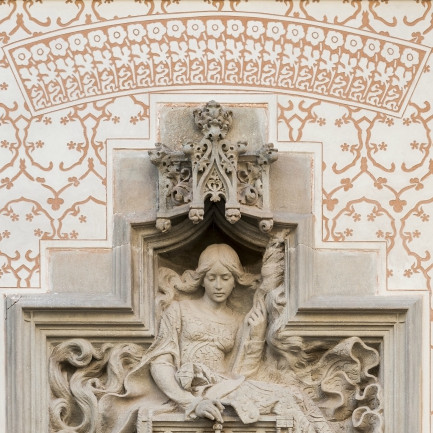
L’Estuc de Calç Tradicional: Presentació del Documental inèdit d’ Estucs Oriol Garcia per ” The Lime Finishes Group”
Avui, 19 de maig a les 19:00 h CEST / 18:00 h UK, Inka Devi Alonso Diaz — membre de The Lime Finishes Group i


Geographical Indication for craft and industrial products: a new horizon for European craftsmanship
The recent approval of the EU regulation on Geographical Indications (GIs) for craft and industrial products opens a transformative chapter for traditional manufacturing sectors across

An Exhibition to Promote the Art of Woodcarving
In a time when digital skills often overshadow manual ones, More Than Wood. A Living Craft offers a powerful reminder that craftsmanship remains one of
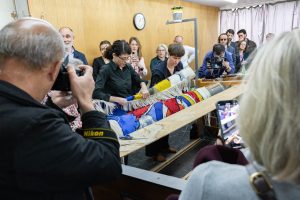

The dynamics of the Aubusson Tapestry Craft
The Aubusson textile industry, centred on the towns of Aubusson and Felletin in France’s Creuse region, owes its success and distinctiveness to a dense network

Woolmaking in South Creuse (France)
The wool industry in France’s Creuse region is vital to the Aubusson tapestry manufactories and workshops, supplying the raw material that weavers need to create
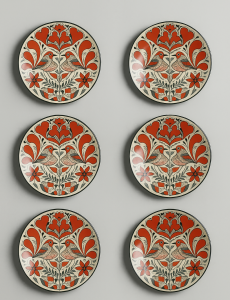

Seeing Through Glaze: how Craeft teaches light to behave like matter
Glaze, a thin, glassy film, acts as the skin of ceramics. It transforms fired clay, bringing it to life with a luminous quality. For a
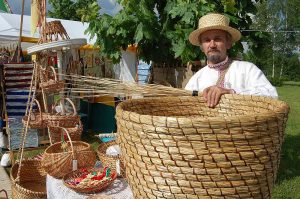
UNESCO Nomination Process for Straw Weaving in Belarus
Straw weaving is a traditional Belarusian craft that involves creating decorative and functional objects from natural straw, typically rye, wheat, or barley. Practiced especially in
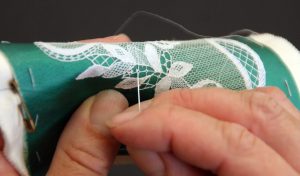
Alençon Needle Lace-Making
Alençon lace is a region-specific form of needle lace, handmade in the town of Alençon in Normandy, France. Known for its delicate and precise patterns,
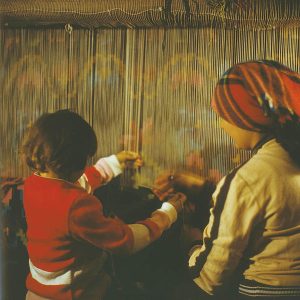
Traditional Wall-Carpet Craftsmanship in Romania and the Republic of Moldova
Traditional Wall-Carpet Weaving in Romania and the Republic of Moldova is an old craft practised mainly in rural areas. Using vertical or horizontal looms, artisans
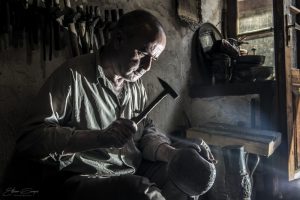
Future of Copper Craftsmanship of Lahij: Preservation, Promotion, Transmission
The Copper Craftsmanship of Lahij is a remarkable example of living heritage, where traditional crafts skills continue to shape both objects and identity. Practiced in
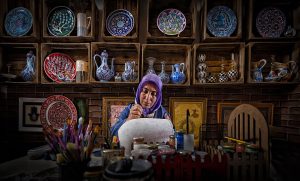
Traditional Craftsmanship of Çini-Making
Çini are traditional, handmade glazed tiles and ceramics made in Turkey, featuring colourful motifs of plants, animals, and geometric patterns. These tiles are often seen
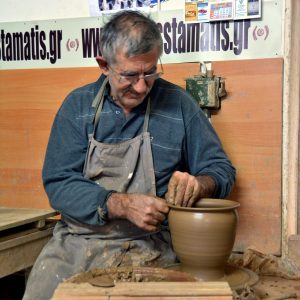

Lesvos’ identity in the hands of a potter
The ceramic tradition of Lesvos Island in Greece stretches back over 5,000 years, with early traces found in the prehistoric settlement of Loutropoli Thermi. That
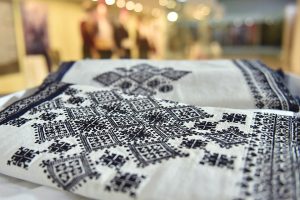
Traditional Zmijanje Embroidery
Zmijanje embroidery is a distinctive embroidery technique originating from the Zmijanje villages in Bosnia and Herzegovina, specifically in the Republic of Srpska, near Banja Luka.


‘Crafts’: An analogue and virtual board game dedicated to crafts
The ‘Crafts’ Board Game, developed by Ioannis Stivaktakis under the supervision of Xenophon Zabulis at the University of Crete, Greece, is an educational board game
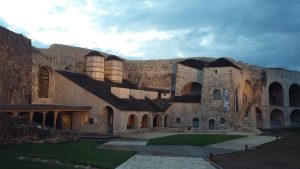

“A Living Craft in Stone Walls: The Silversmithing Museum of Ioannina”
Tucked within the fortified heart of Ioannina’s historic castle lies a museum unlike any other in Greece — one that celebrates not only the objects
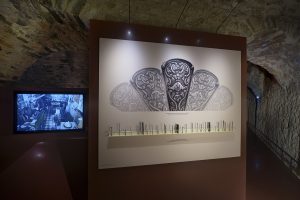

Silver Threads of Time: Safeguarding the Silversmithing Tradition of Epirus
Topics for discussion: Can tradition survive modern pressures? What role can the public play on supporting local artisans? What can traditional crafts teach us today?


Empowering Craft Heritage: New Geographic Indicators for Crafts
A new chapter for crafts protection In a landmark move to safeguard and celebrate traditional craftsmanship, the recent adoption of geographic indicators (GIs) marks a
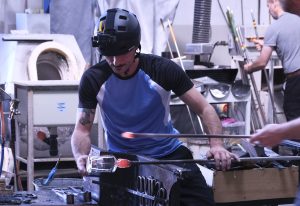
Launching the Protocol: Digitising Artisanal Gestures at Cerfav
Topics for discussion: Do you think that Creaft Ethnographic Protocol could be applied for crafts documentation? What could be the benefits of it? Could this