
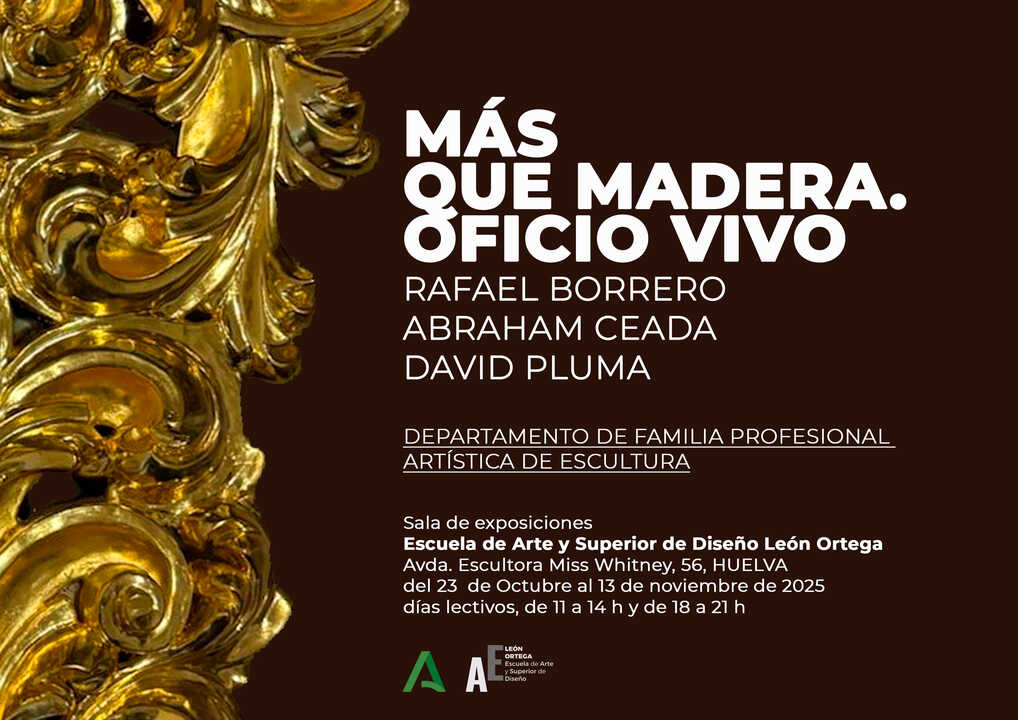
In a time when digital skills often overshadow manual ones, More Than Wood. A Living Craft offers a powerful reminder that craftsmanship remains one of the most enduring and human ways of learning. This exhibition, hosted by the Escuela de Arte León Ortega in Huelva (Spain), celebrates not only the beauty of wood as a material but also the vitality of the craft and those who keep it alive.
An Exhibition Rooted in Learning
The exhibition brings together the work of three former students of the school , Abraham Ceada, Rafael Borrero, and David Pluma, all of whom have developed their own careers around the art of woodworking. Through their pieces, the exhibition explores the dialogue between tradition and innovation, skill and creativity, hand and material.
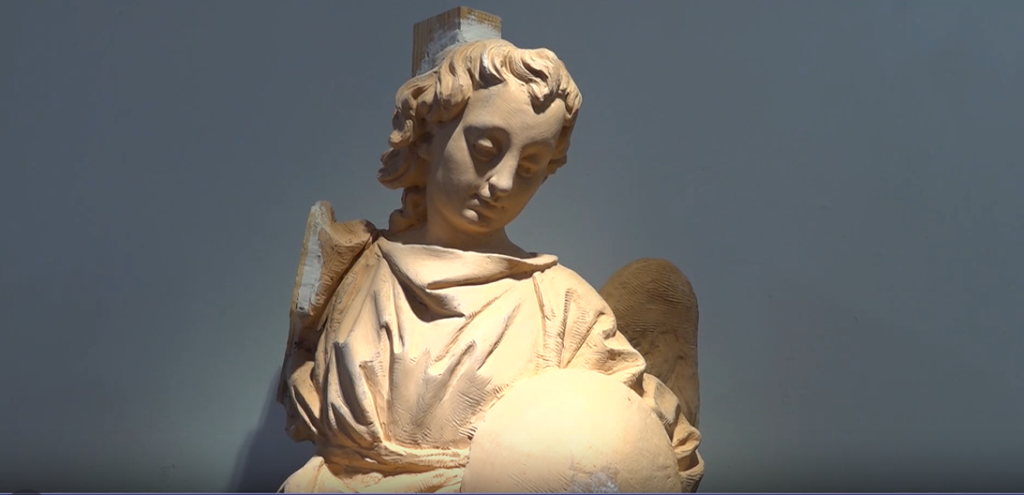
Rather than presenting a nostalgic view of craftsmanship, More Than Wood demonstrates that traditional skills can evolve, adapt, and remain relevant. Each artist represents a different path: Ceada focuses on wood sculpture and sacred art, Borrero on ornamental carving and decorative detail, and Pluma on artistic cabinetmaking, especially through the creation of handcrafted flamenco cajones (percussion boxes).
Together, their works form a narrative about the living nature of craftsmanship, an ecosystem of skills that continues to grow through education, experimentation, and passion.
©Escuela de Arte y Superior de Diseño León Ortega
Craftsmanship as a Living Knowledge
The title of the exhibition, A Living Craft, is key to understanding its purpose. Craftsmanship, as the exhibition suggests, is not merely about producing objects; it is about maintaining a living body of knowledge. Every carved line, polished surface, or constructed joint embodies generations of shared expertise passed from master to apprentice, from teacher to student.
In this sense, the Escuela de Arte León Ortega becomes more than an educational institution: it is a space of transmission, where skills are not only taught but also reinterpreted. The exhibition reinforces this idea by showing how the alumni have taken the foundations learned at the school and transformed them into distinct professional identities.
By exhibiting the works of its former students, the school reaffirms the importance of vocational and artistic education as a bridge between heritage and contemporary practice. It is also a celebration of continuity, a visible proof that craft training can lead to meaningful, creative, and sustainable careers.
©Escuela de Arte y Superior de Diseño León Ortega
The Power of Material and Process
Wood, the protagonist of this exhibition, plays a symbolic role. It connects the natural world with the human hand, demanding both respect and understanding. Each type of wood, its grain, texture, and resistance, requires the artisan to adapt, listen, and respond.
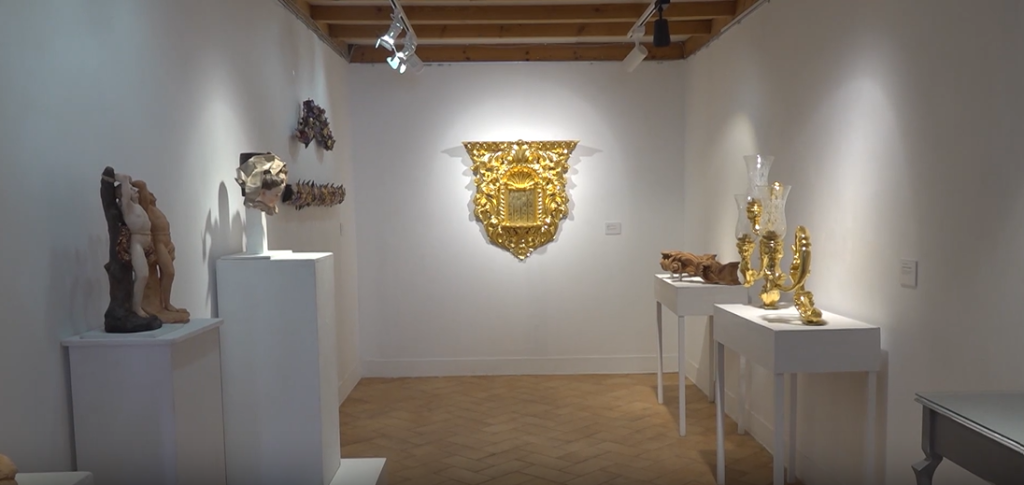
This relationship between material and maker is at the heart of the exhibition. Visitors can appreciate the diversity of techniques: sculptural carving, polychromy, gilding, joinery, and fine finishing. The result is a showcase not only of craftsmanship but of craft thinking, the ability to solve problems through material engagement, patience, and skill.
In an educational context, these processes teach far more than technical abilities. They cultivate observation, discipline, creativity, and an embodied sense of learning , qualities often missing from purely theoretical or digital environments.
Craft Education as Cultural Continuity
One of the most striking aspects of More Than Wood is how it positions the craftsperson as both a creator and a cultural transmitter. The works displayed are not just objects to admire but also testimonies of a lineage. They remind us that every artisan participates in a chain of knowledge stretching across generations.
This concept resonates strongly with current discussions in craft education and heritage transmission. How can schools and communities ensure that traditional skills are not only preserved but also evolved? How can digital tools support, rather than replace, manual learning? The exhibition doesn’t provide direct answers, but it illustrates what success can look like: when education empowers artisans to bring tradition into dialogue with the present.
A Model for Other Craft Schools
By showcasing the achievements of its alumni, the Escuela de Arte León Ortega demonstrates an inspiring model for other vocational and craft institutions. Exhibitions like More Than Wood can serve as pedagogical tools, connecting students with real professional trajectories and showing the tangible outcomes of craft education.
They also strengthen the relationship between schools, local communities, and professional artisans, creating a network of knowledge that extends beyond the classroom. In this sense, the exhibition becomes not only an artistic event but also an act of community building, a way of reaffirming that craftsmanship, far from being a fading tradition, is an evolving and vital part of contemporary culture.
Topics for discussion:
- How can art and craft schools strengthen the link between traditional skills and modern professional practice?
- What role should digital learning play in teaching manual or material-based crafts?
- How can exhibitions like More Than Wood help shift public perception about the value of craft professions?
- What strategies can ensure that craft knowledge remains a living and evolving heritage rather than a static tradition?