

Craft heritage often suffers from a practical problem: if people do not see it, they do not understand its value. Workshops are hidden, processes are unfamiliar, and local histories remain fragmented. In the CRAEFT project, CETEM responded to that challenge by developing a virtual museum designed to make Yecla’s furniture and woodcarving heritage more visible, understandable, and accessible.
The result is a digital and immersive tool that connects craft, place, memory, and industry through a virtual map titled “Yecla is Wood: An Artisanal Heritage”.
Making heritage accessible through digital experience

Figure 1. Home page of the Virtual Museum. © CETEM
Five locations, one narrative
The virtual museum brings together five main locations that represent different dimensions of Yecla’s wood and furniture culture: a woodcarving workshop, the Museum of Yecla’s Patron Festivities, the Yecla Furniture Fair, the City Hall, and CETEM itself. Each setting helps tell a different part of the story, from religious carving and local civic identity to industrial innovation and training.

Figure 2. Example of interactive video in the woodcarving workshop location. © CETEM
The woodcarving workshop is especially relevant. It includes immersive 360º views, additional video footage, and egocentric recordings from the craft ethnographic protocol, allowing visitors to see the work from the artisan’s own perspective. That detail matters. It shifts the experience from passive observation to something closer to embodied understanding.
The CETEM section of the virtual museum closes the circle between tradition and innovation. Visitors can explore the centre’s training and research spaces and access examples of how new technologies support heritage-related education and experimentation, including links to the online woodcarving training course developed in another CRAEFT pilot.
What the evaluation showed
CETEM tested the virtual museum with 25 participants, including staff, students, and external visitors. Seven of them came from outside Yecla, which made their feedback especially useful in assessing whether the platform could communicate local heritage to people without prior knowledge of the context.
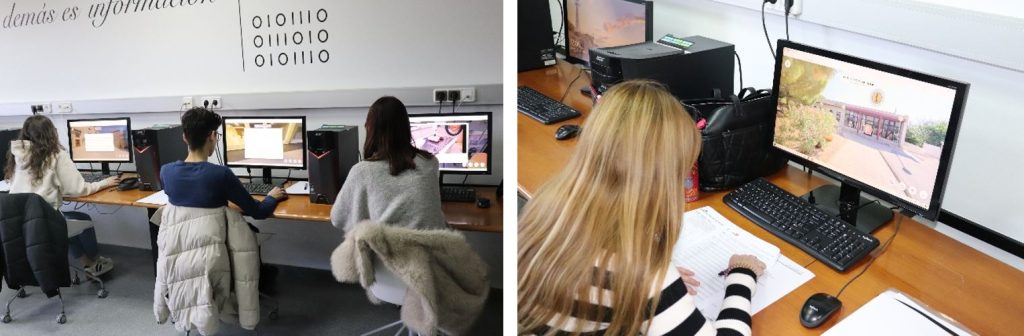
Figure 3. Participants in the testing phase of the museum. © CETEM
The results were clearly positive. Participants rated the museum as organized, attractive, valuable, understandable, enjoyable, and practical. They also reported that it helped them learn more about woodcarving, increased their interest in the topic, and made them more willing to visit workshops and related places in Yecla. Average overall satisfaction reached 8.32 out of 10, with even higher scores among visitors from outside the city.
That last point is worth pausing on. The tool did not only work for those already close to the local tradition. In fact, it appears to have been particularly effective for newcomers. That gives the project a strong dissemination value, not just locally but also in cultural tourism, education, and international outreach.
Because of the strong evaluation results, CETEM decided to ensure the platform’s long-term accessibility by integrating the virtual museum as a permanent section of its website. The Tourist Information Office of Yecla also expressed interest in using it as a cultural and touristic resource, and printed leaflets with QR access were produced for distribution in strategic locations.
Share your opinion
- How can virtual museums help make local craft heritage visible to new audiences?
- What does it reveal about the relationship between digital immersion and cultural transmission?
- Can virtual tools motivate physical visits to workshops, fairs, and heritage spaces?
- How should craft institutions balance historical storytelling, industrial identity, and tourism in digital dissemination projects?