
An innovative way to transmit skills and knowledge in crafts, bridging tradition and technology
Crafts are more than timeless techniques—they embody cultural identity, economic vitality, and artistic innovation. In today’s rapidly evolving world, preserving these traditions requires us to rethink how skills and knowledge are transmitted. By combining digital platforms, immersive technologies, and collaborative learning, we can create transformative educational experiences that honour heritage while inspiring future generations.
Embracing digital learning, immersive technologies and experiential learning
Digital platforms now offer online courses, video tutorials, and interactive webinars that allow master artisans to share their expertise with learners worldwide. These tools not only break down geographical barriers but also provide detailed, step-by-step guidance that supports traditional learning. Learners can revisit content as needed, making it easier to master complex techniques and preserve delicate methods that might otherwise fade away.
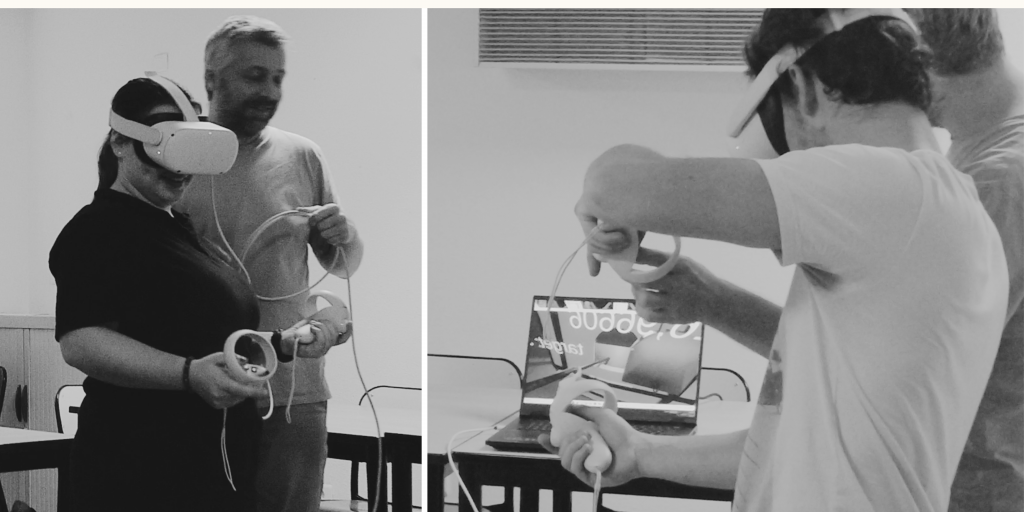
Innovative immersive technologies such as virtual reality (VR) and augmented reality (AR) are revolutionizing craft education. Imagine entering a virtual workshop where you can observe the intricacies of glass blowing or interact with 3D models of historical tools. These technologies bridge the gap between theory and practice by simulating real-world scenarios, allowing learners to experiment safely and gain hands-on experience without the constraints of physical resources.
Collaborative networks and cross-disciplinary partnerships
Collaboration is at the heart of modern craft education. By forging partnerships between researchers, technologists, and artisans, projects are emerging that combine traditional expertise with modern innovation. These interdisciplinary networks help document regional techniques, protect endangered professions, and foster a deeper understanding of craftsmanship across Europe. The resulting shared knowledge not only supports economic development and cultural preservation but also opens new avenues for sustainable growth.
Project Craeft: A concrete example of innovation
The Craeft Project is standout example of this innovative approach is On June 21, 2024, Noël Crescenzo and David Arnaud presented the project to first-year apprentices at Cerfav (European center for research and education in glass crafts), outlining a new pedagogical framework set to launch in the 2024-2025 academic year. Project Craeft is dedicated to developing, studying, and experimenting with cutting-edge digital tools to aid in learning artisanal trades. This initiative brings together researchers, IT developers, and students to evaluate how digital technologies can enhance traditional training methods.
Key components of the Craeft Project include:
- eLearning platform: This online portal offers structured courses and a wealth of resources—including a detailed nomenclature and 3D visuals—to help students prepare for qualifications such as the CAP. Its accessibility makes it an invaluable tool for revisions and ongoing learning.
- 3D Virtual modeling: By creating virtual models of craft techniques and objects, this tool allows apprentices to visualize and interact with their projects in a digital space, providing an innovative perspective on traditional practices.
- Virtual workshop: An immersive training environment where students can practice their skills using XR headsets and controllers. This simulated setting offers hands-on experience and real-time feedback, bridging the gap between theoretical instruction and practical application.
Project Craeft exemplifies how the integration of traditional methods with digital innovation can create new pathways for transmitting invaluable craft skills. Its collaborative, feedback-driven approach ensures that the digital tools are continuously refined to meet the evolving needs of learners.
A Call to Action
The future of crafts relies on our collective ability to blend heritage with modern technology. Whether it’s through digital learning, immersive simulations, or cross-disciplinary partnerships, innovative approaches are crucial to preserving the wisdom of the past and empowering the artisans of tomorrow.
We invite you to join this transformative dialogue. Share your experiences, suggest new ideas, and help shape a future where the art of craftsmanship not only survives but thrives in the digital age. Together, we can ensure that the techniques and knowledge of our craft traditions are safeguarded, celebrated, and passed on to generations to come.
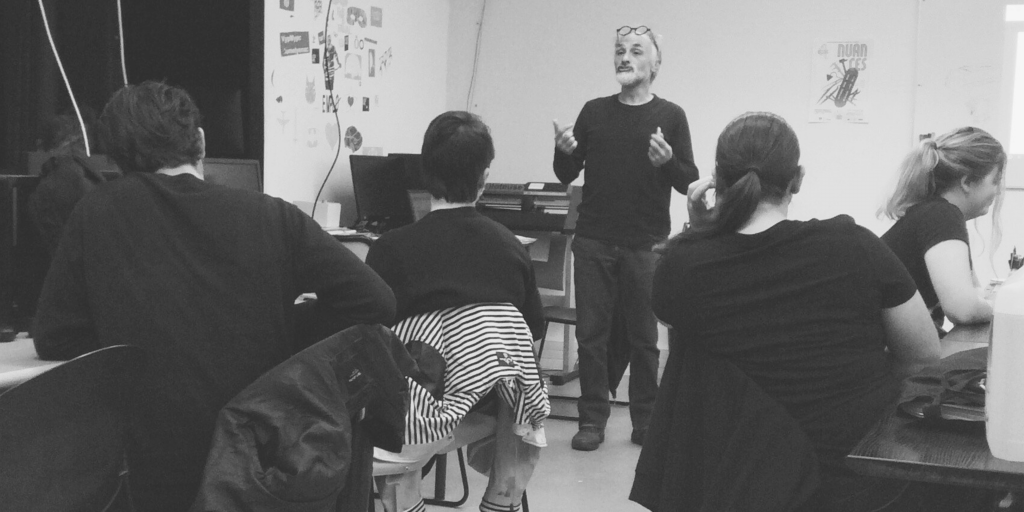
©Mad’in Europe (2024). Pilot 1: Implementation of the digital tools in the learning curriculum at CERFAV Glass School.

2 responses