Non-formal education in action: between innovation and tradition

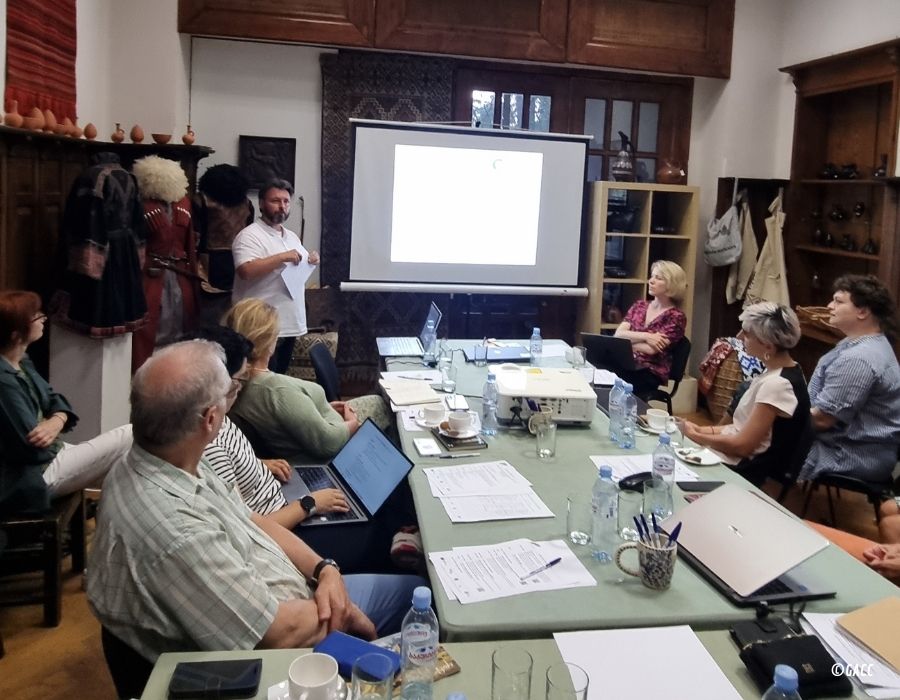
In July 2025, the BRICKS project travelled to Tbilisi, Georgia, for its second study visit,  a three-day immersion into the realities, challenges, and opportunities of non-formal craft education.

Building on the groundwork laid during the first session in Gdańsk, Poland, the Georgian visit marked a significant step forward: shifting from identifying shared concerns to co-developing concrete, actionable solutions that can support systemic change across Europe.

This gathering brought together a diverse group of artisans, educators, researchers, cultural institutions, and policy stakeholders from multiple countries. Together, they explored how non-formal craft education, often deeply embedded in communities, passed down through generations, and adapted to local realities, can be made more visible, better supported, and more widely recognised.

Rather than imposing top-down models, the focus remained on listening to lived experiences, analysing national and European certification frameworks, and collaboratively shaping future strategies that reflect the real needs of craft practitioners. 

Day 1 : Sharing practices & systems

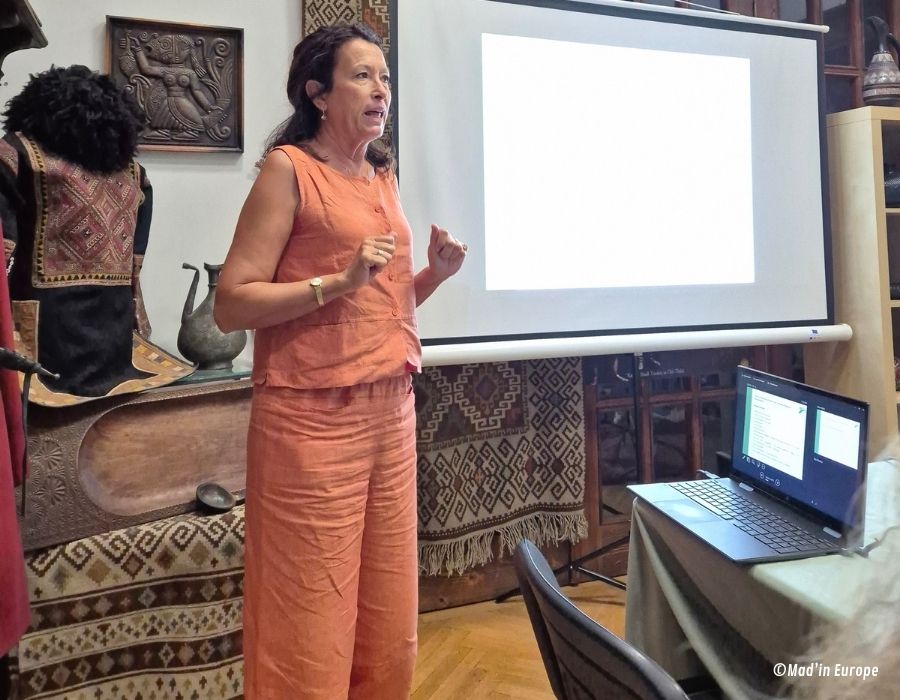
The first day set the stage with presentations from participants and partners, each showcasing a national or local initiative. Georgian participants introduced projects such as:
✔️ The Georgian Heritage Crafts Association, promoting endangered crafts and youth engagement
✔️ The Educational Gallery of Crafts in Gori, offering free courses to children and unemployed women
✔️ Kettari Academy, delivering short, market-oriented courses in batik and ceramics

Other participants shared their experiences from Italy, Poland, and Belgium, focusing on education through practice, cultural identity, and how informal learning can still support professional development. A core theme emerged: craftspeople are often educators, but rarely recognised as such.

This led into a deep dive into certification systems, where the BRICKS group explored multiple models:

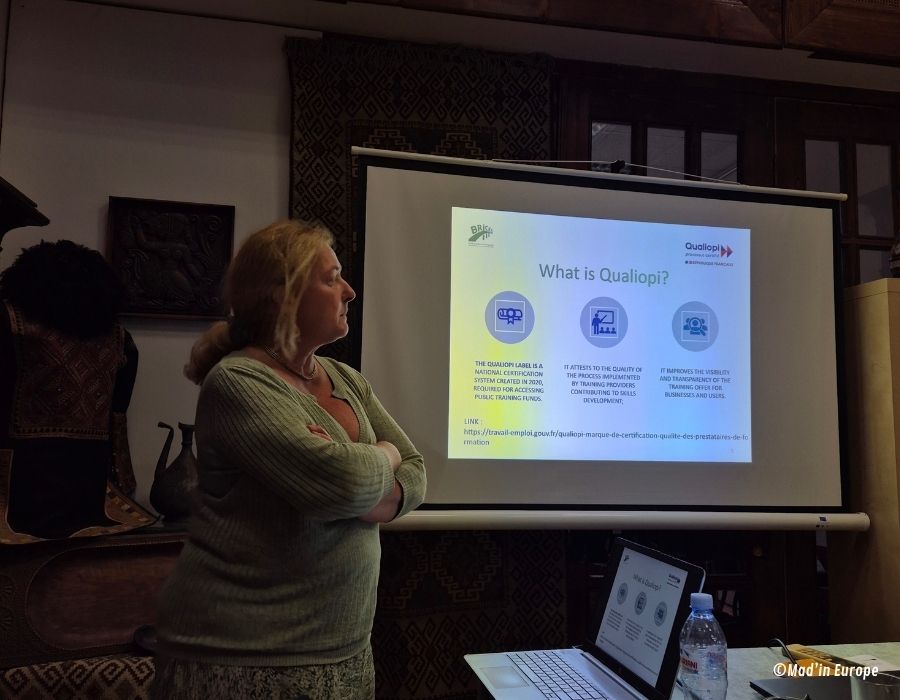
🟢 France’s Qualiopi scheme – A flexible quality certification that allows artisans to offer funded, recognised training, even without formal teaching diplomas. It bridges the gap between grassroots learning and institutional validation, making workshop-based teaching more credible and accessible.

🟢 Belgium’s IFAPME system – A dual training model that links artisan-led workshops with formal centres, allowing adult learners to train directly with masters. While rich in practice, it faces limitations in trainer compensation and recognition for rare crafts.

🟢 Micro-credentials & digital badges (EU level) – Flexible tools to validate small units of learning, workshop-based experience, or even soft skills,  especially relevant in the fragmented landscape of craft education. These digital tools show potential for making lifelong learning visible and portable across contexts.

Each system showed how non-formal education can be structured, funded, and validated, when supported by policy coordination, quality assurance, and inclusive pathways. They also revealed a shared ambition across Europe: to recognise craft transmission as legitimate education — not secondary to formal schooling, but complementary and essential.

Day 2 : Field visits, crafts in context

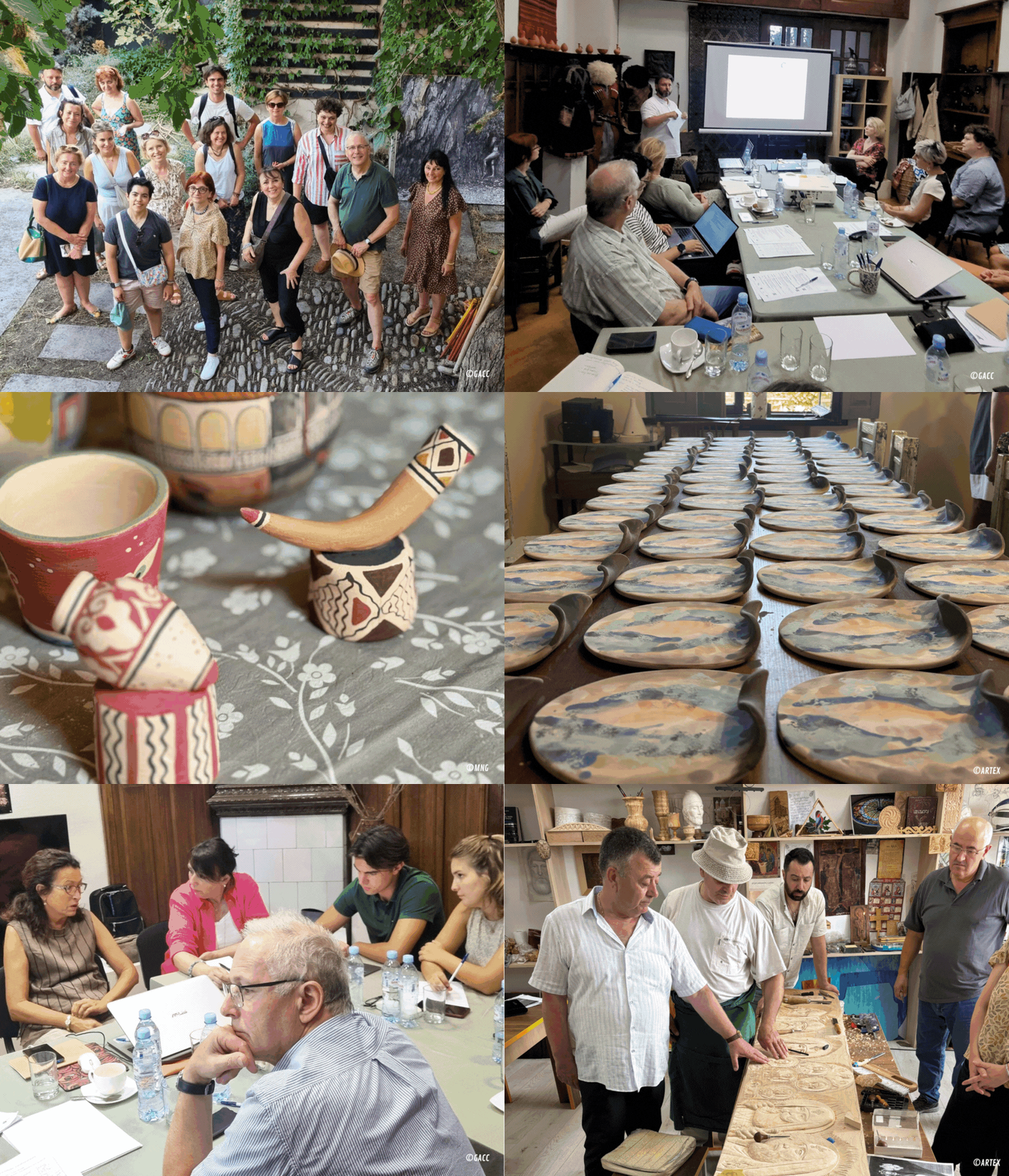
The second day brought learning to life through field visits across Tbilisi. Participants encountered four inspiring examples of non-formal education in action. 

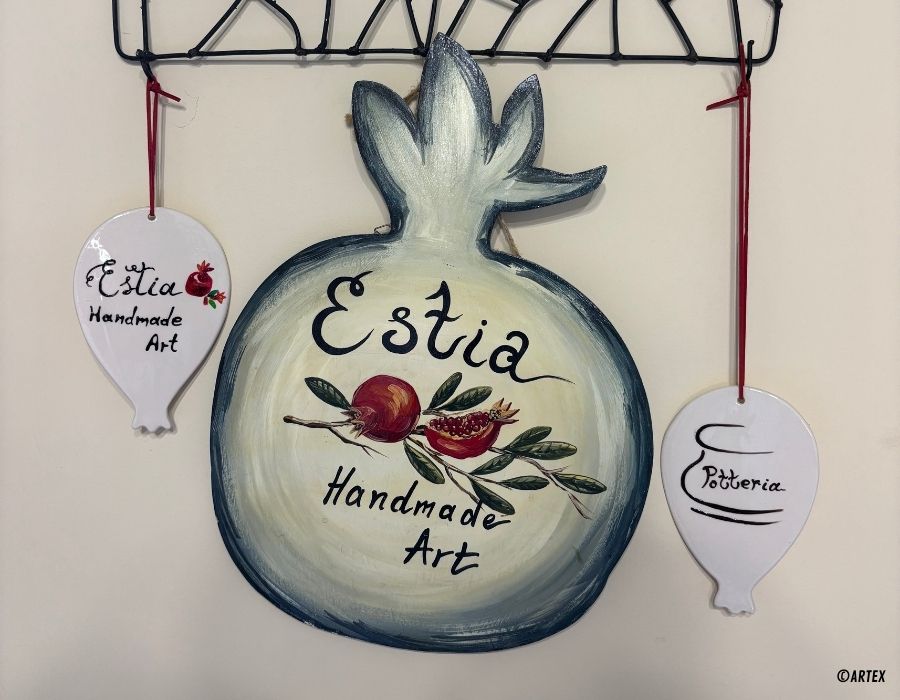
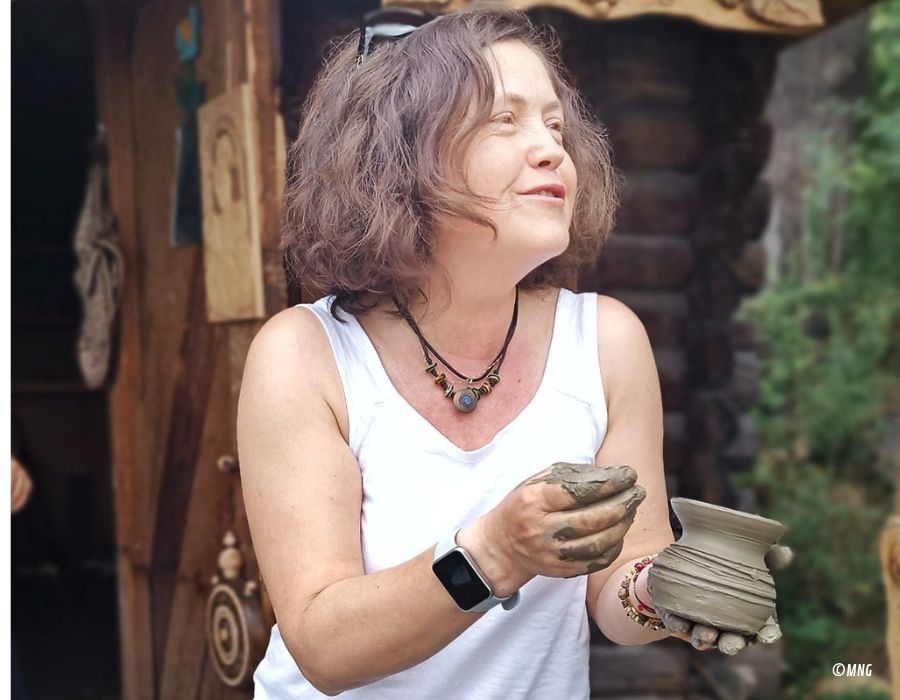
Estia & Potteria Studios

Ceramics workshops that blend art, education, and social inclusion, especially for women. The workshops support both hobbyists and long-term learners, showing how therapeutic and economic dimensions of craft can coexist.
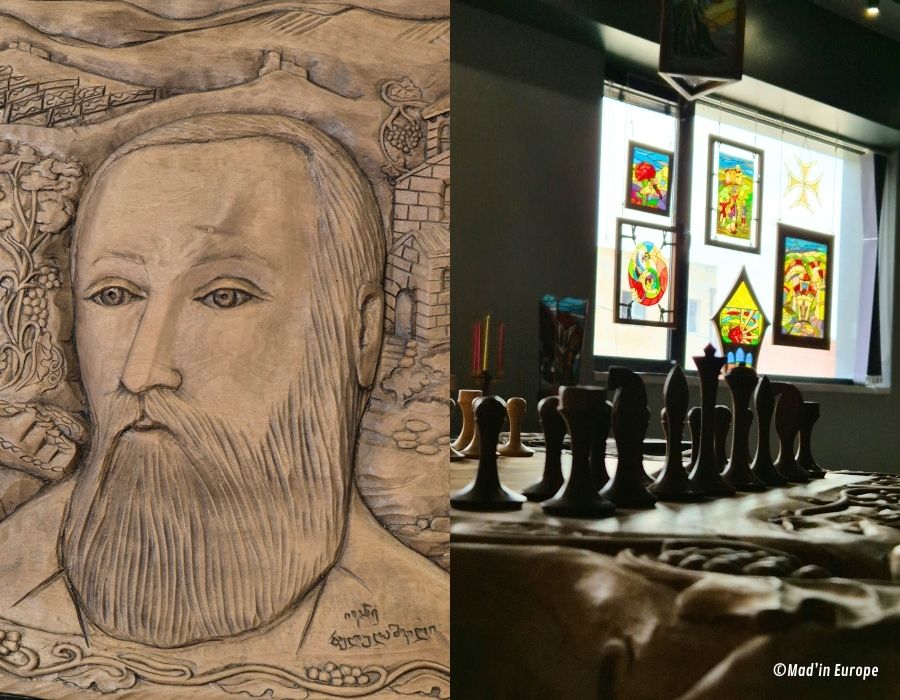
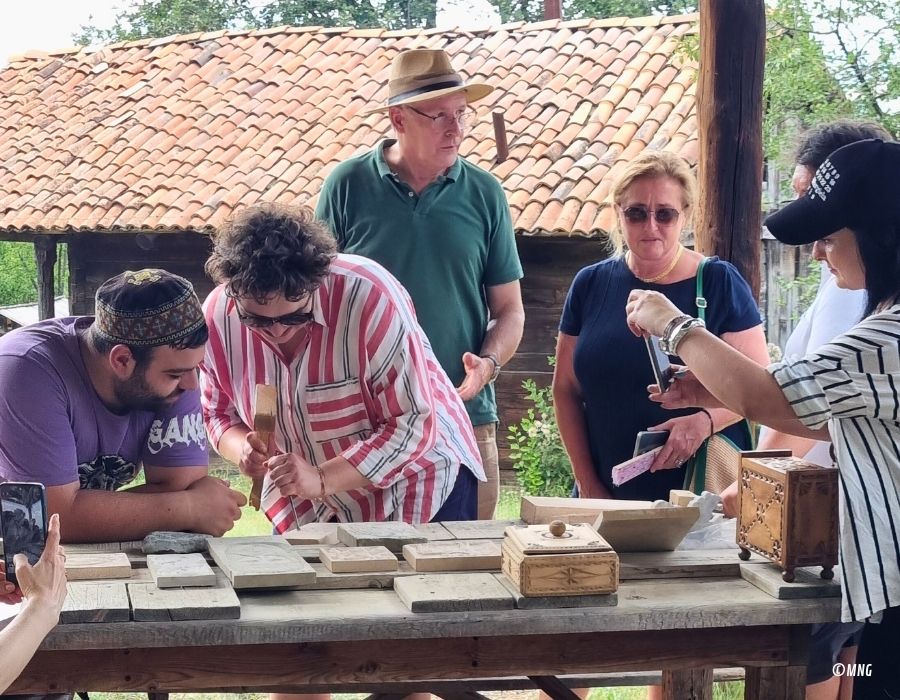
Kasta Company

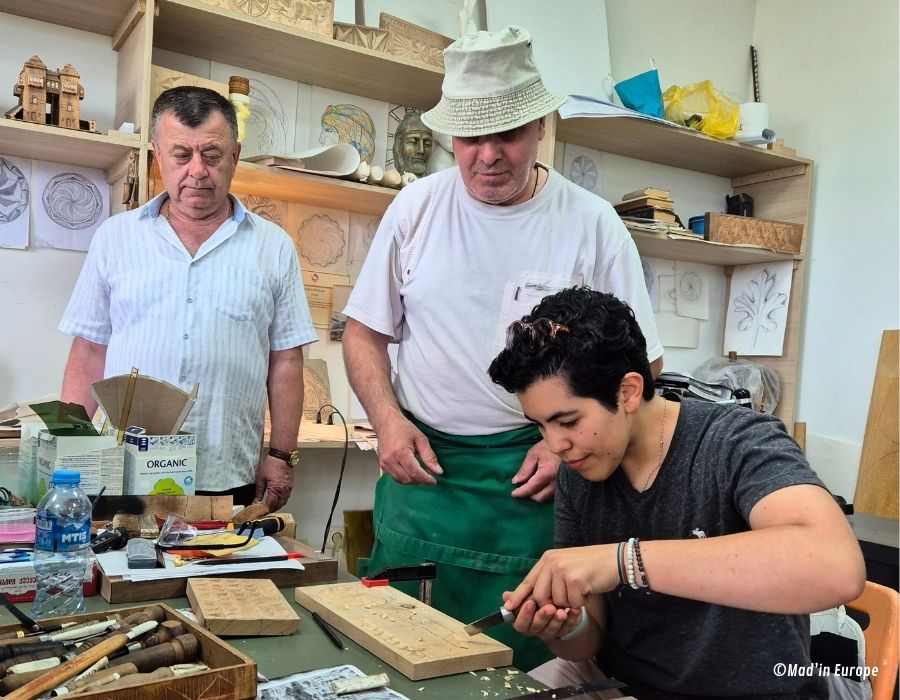
A private initiative offering free training in wood, glass, and stone carving, directly tied to its business model. Trainees often transition into paid employment, illustrating how craft learning can connect with local economies.
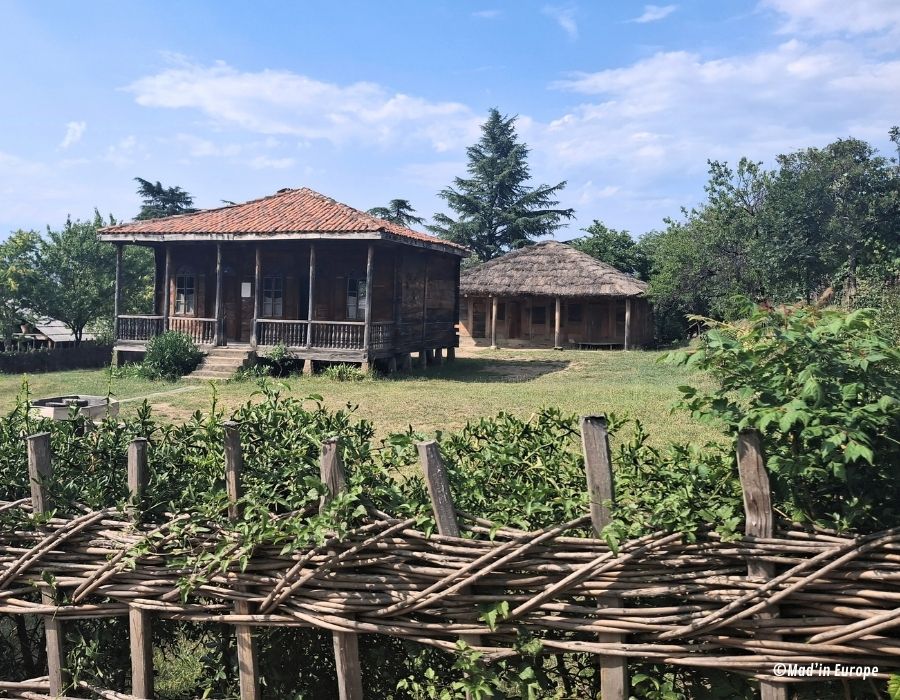
Tbilisi Open Air Museum of Ethnography

Home to a seasonal Summer School of Crafts, the museum merges cultural heritage with education, welcoming hundreds of learners each year. It represents a unique model of institutional non-formal learning.
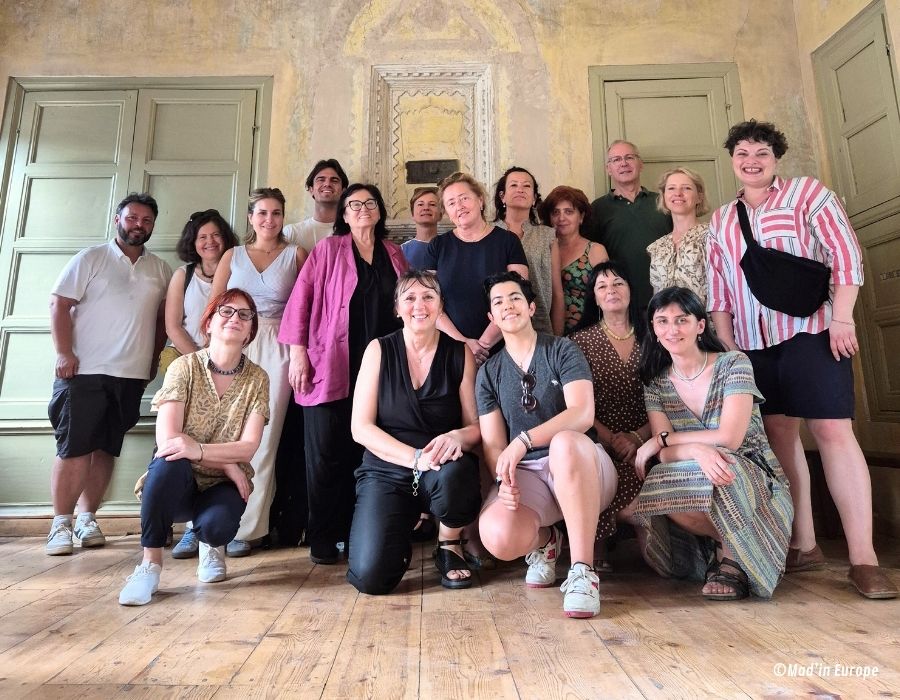
ICOMOS Georgia

Focused on traditional building techniques and restoration, ICOMOS runs practical training within urban heritage projects. Trainees — often from vulnerable groups — gain hands-on experience in conservation.
Day 3 : co-creation, strategy & shared vision

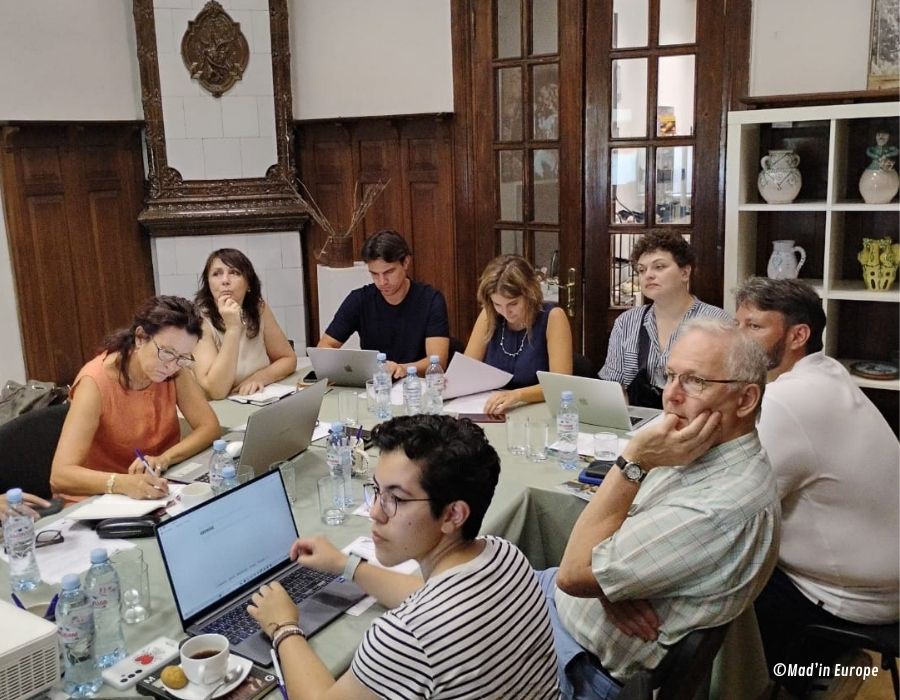
The final day of the study visit brought participants together for a series of working sessions focused on turning the challenges observed throughout the BRICKS journey into practical, scalable solutions. Guided by thematic Miro boards, the group addressed three strategic pillars shaping the future of non-formal craft education: funding, recognition, and engagement of new learners.

Craftspeople are often skilled mentors, but their role as educators is rarely recognised — either institutionally or financially. The group explored how non-formal learning could be made more visible, professional, and portable.

Key proposals included:
✔️ Use of micro-credentials and digital badges to validate both teaching and learning
✔️ Establishing certified bodies or intermediaries to support artisans through recognition processes
✔️ Subsidised, practically focused pedagogical training to help artisans become confident, qualified trainers
✔️ Recognising museums and cultural institutions as spaces for legitimate craft learning
✔️ Adapting national systems like Maestro Artigiano (Italy) or Maître Artisan (Belgium) to broader EU use
✔️ Developing national registries of endangered crafts and qualified trainers

“If we want to protect crafts, we have to protect those who teach them.”

Whether for young people or adults reskilling and upskilling, non-formal craft education can be a powerful path — but only if it is visible, valued, and accessible.

Strategies discussed included:
✔️ Bringing crafts into schools, through partnerships, workshops, and cross-disciplinary projects
✔️ Storytelling through podcasts, social media, and film to raise visibility and challenge stereotypes
✔️ Craft nights and discovery events to build emotional connections between the public and traditional skills
✔️ Highlighting crafts as viable career paths for adults and career-shifters
✔️ Creating cross-sector collaborations with design, fashion, or architecture to modernise perception
✔️ Organising awards, exhibitions, and festivals that celebrate master artisans and emerging talent

Participants also stressed the importance of showing that craft is not just heritage, it’s a living, evolving way to learn, connect, and work.

Participants widely agreed that the current funding landscape for non-formal craft education is fragmented, short-term, and inaccessible for many grassroots initiatives. Proposals focused on long-term sustainability, reducing barriers, and recognising the economic value of craft education.

Key ideas included:
✔️ Public–private partnerships involving foundations, banks, and businesses
✔️ Tax incentives for companies supporting or investing in craft training
✔️ Integrating production with training so artisans and learners can earn income during the process
✔️ Simplifying application procedures, especially for smaller or rural organisations
✔️ Support for collaborative craft networks to share funding knowledge and resources
✔️ Better partnerships with public bodies (e.g. Enterprise Georgia, Skills Agency)
✔️ More effective EU coordination and continuity across projects (e.g. avoiding duplication)

A recurring theme: craft education should not rely on passion alone, it needs structured, predictable support.