
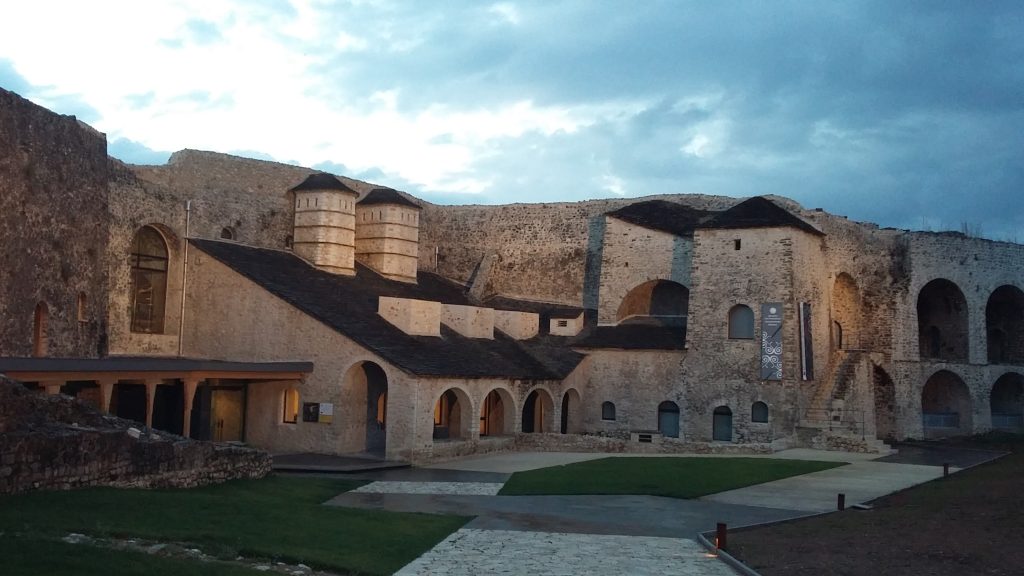
Tucked within the fortified heart of Ioannina’s historic castle lies a museum unlike any other in Greece — one that celebrates not only the objects of a proud artisanal tradition but the living knowledge, hands, and heritage behind them. The Silversmithing Museum of Ioannina, which opened its doors in September 2016, is a flagship cultural initiative of the Piraeus Bank Group Cultural Foundation (PIOP). Dedicated entirely to the art of silversmithing in Epirus, the museum serves as both a guardian of the past and a vibrant bridge to the future.
A Site Steeped in History
The museum is housed within the southeastern bastion of the Ioannina Castle, one of the oldest and most iconic fortified complexes in Greece. This setting is more than picturesque; it is symbolic. Ioannina has long been considered the epicenter of silversmithing in the region, and the castle — overlooking Lake Pamvotis — has stood as a silent witness to centuries of artistic, political, and economic activity.
Restoration of the bastion was part of a larger cultural heritage project supported by EU funds and implemented by the PIOP. The decision to locate the museum here underscores the Foundation’s commitment to site-specific heritage, where architecture and exhibition content enhance one another in telling a cohesive story.
Mission and Vision
The Silversmithing Museum was created with a dual purpose: to document, preserve, and present the rich tradition of Epirote silversmithing, and to revitalize the cultural economy of the region through education and tourism.
The museum is part of a broader network of thematic museums developed by the PIOP across Greece, each focused on a key aspect of traditional craftsmanship or production. In Ioannina, the focus is laser-sharp: to highlight the technical, artistic, and social dimensions of silverworking — from village workshops to international markets.
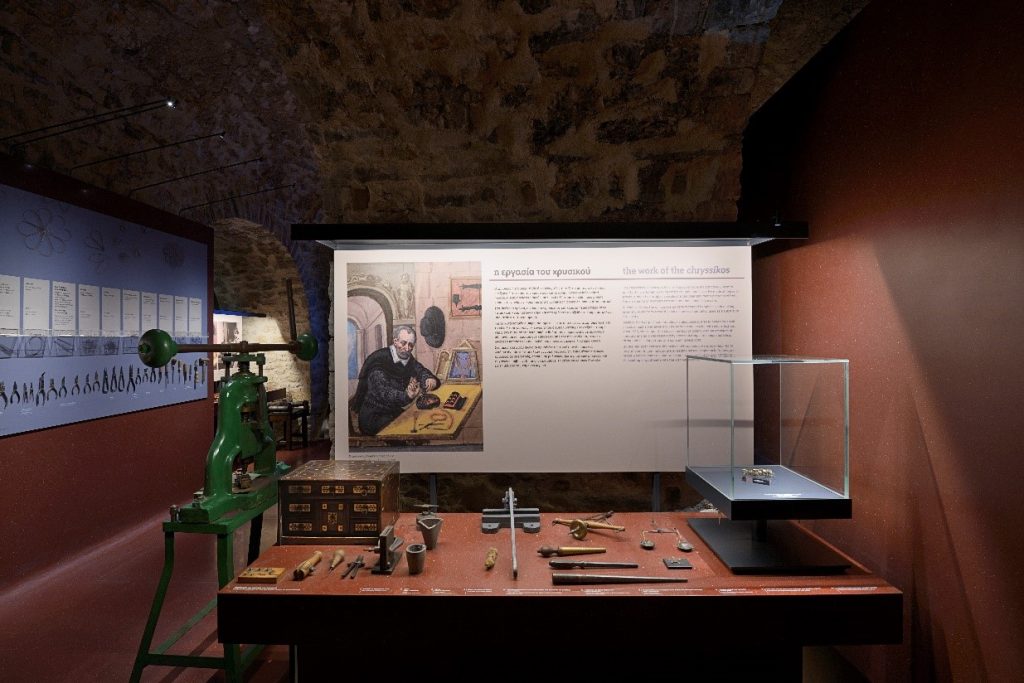
12.GR-PIOP-111032_VAR4834. View of the permanent exhibition-The work of the chryssikós | © PIOP, V. Karavassiloglou
Permanent Exhibition: From Craft to Culture
The museum’s permanent exhibition is laid out on two levels, seamlessly blending historical narrative with technical insight. Through a combination of authentic tools, multimedia installations, and finely crafted objects, visitors are taken on a journey through the evolution of silversmithing in Epirus from the 15th century to the early 20th.
Highlights include:
- Traditional benches and hand tools used by artisans for engraving, filigree, casting, and repoussé.
- Jewelry, weapons, ecclesiastical items, and household objects, all showcasing the aesthetic range and precision of local craftsmanship.
- Multimedia displays and interactive screens, allowing visitors to understand techniques in detail and hear stories from silversmiths themselves.
- A panoramic view of Ioannina from the bastion’s windows, connecting the artifacts inside to the landscape that shaped them.
Importantly, the exhibition not only presents the finished products of the craft but also places strong emphasis on the process and people behind them
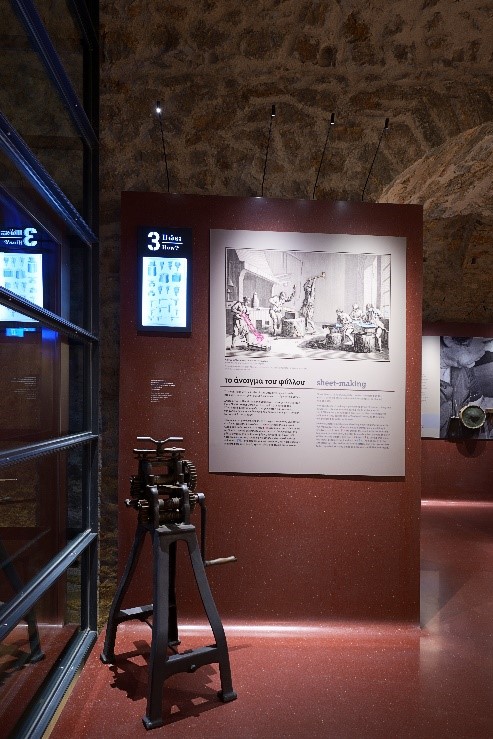
06.GR-PIOP-111032_VAR4736. View of the permanent exhibition – Sheet-making |© PIOP, V. Karavassiloglou
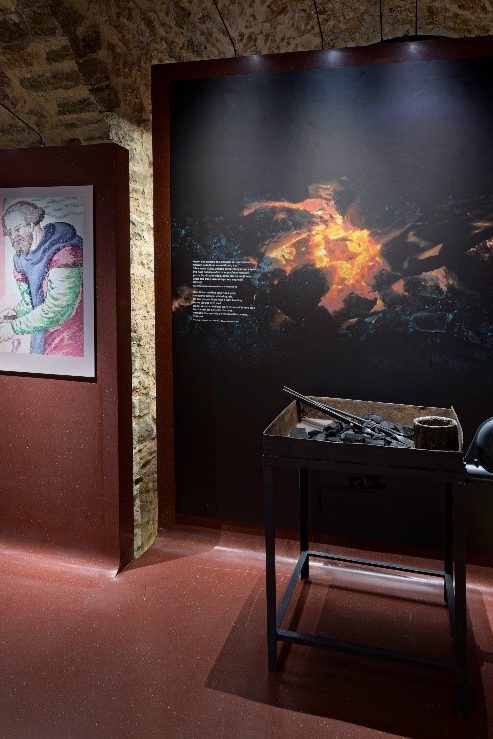
10.GR-PIOP-111032_VAR4793. View of the permanent exhibition – The hearth in metalworking | © PIOP, V. Karavassiloglou
Education and Public Engagement
True to its mission as a “living” museum, the institution goes beyond display to foster active learning and community involvement. Educational programs are offered throughout the year for all age groups:
- School visits include interactive tours and hands-on workshops where students learn about the tools and try out basic techniques.
- Public workshops and family days introduce broader audiences to silverwork and local history.
- Collaborations with universities, conservators, and artists bring new life to traditional practices.
These programs reflect the museum’s belief that cultural heritage is best preserved when it is shared, experienced, and creatively reinterpreted.
A Pillar of Safeguarding Heritage
The museum played a key supporting role in the 2013 inscription of Epirote silversmithing into the Greek National Inventory of Intangible Cultural Heritage. By documenting techniques, engaging communities, and highlighting the craft’s cultural relevance, the museum reinforced the urgency and value of preserving this tradition.
In doing so, it has not only safeguarded silversmithing for posterity but has also helped reframe it as an evolving, dynamic practice with relevance in today’s world.
Collaboration and Cultural Tourism
The Silversmithing Museum works closely with local artisans, cultural organizations, and municipalities to promote regional identity and pride. It also supports contemporary designers and craftspeople who draw inspiration from tradition while exploring new artistic paths.
For visitors to Ioannina, the museum offers a cultural experience rooted in authenticity. It enhances the city’s tourism appeal, linking history, artistry, and storytelling in a tangible, engaging way. As such, it has become a model of how thematic museums can contribute not only to heritage preservation but also to sustainable local development.
Conclusion
The Silversmithing Museum of Ioannina is more than a repository of silver and stone; it is a beacon of cultural resilience and creative continuity. Within its vaulted spaces, the past speaks clearly — but so does the future. Here, visitors not only witness a tradition but are invited to imagine how it might live on: in new hands, new forms, and new stories yet to be told.
Topics for discussion:
- Can traditional crafts be reimagined by today’s artists without losing their authenticity?
- What is the role of community in safeguarding Intangible Heritage?
- Can a museum lead to regional development?
- Can the museum’s exhibitions influence education, tourism and cultural identity?
